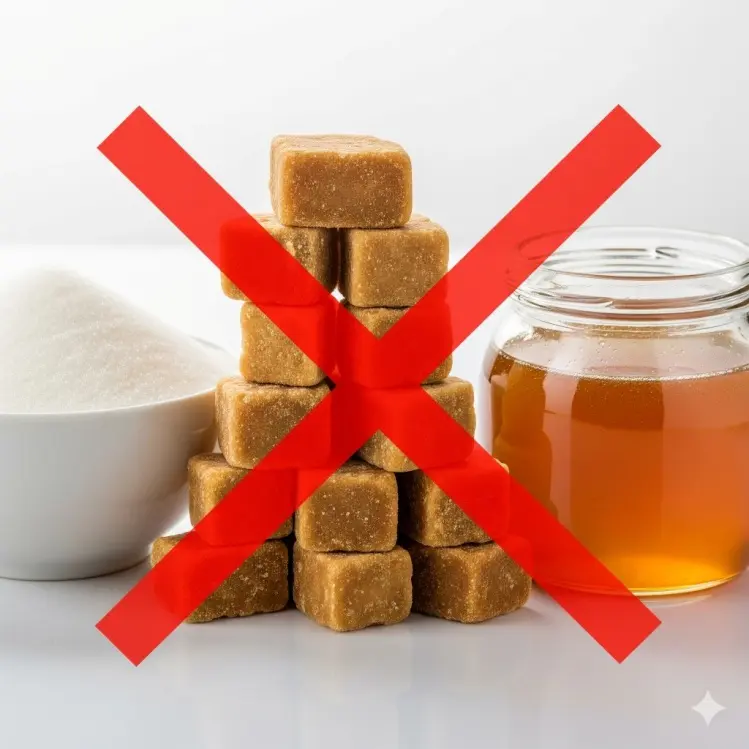
Diabetes & Namma Oota: Enjoying Karnataka’s Cuisine While Managing Blood Sugar
Dec 05, 2025
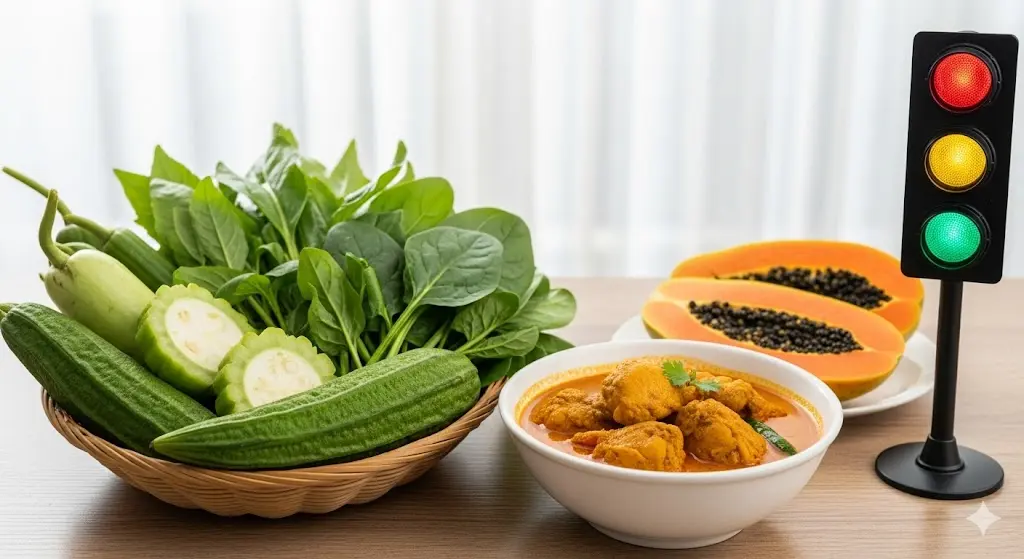
In our previous blog, we spoke about Ragi, Rice, and Millets. But grain is only 25% of the story. The real magic lies in the other 75% of your plate: the vegetables, the fruits, and the proteins.
Many patients ask us, "Doctor, can I eat carrot? Is chicken okay? What about mangoes in summer
To make it simple, let’s use the Traffic Light System. Just like on the road, your diet has Green (Go), Yellow (Caution), and Red (Stop) zones.
Save this list. Stick it on your fridge or save it on your phone!
These foods have very low calories and high fiber. They don't spike your sugar. Fill half your plate with these.
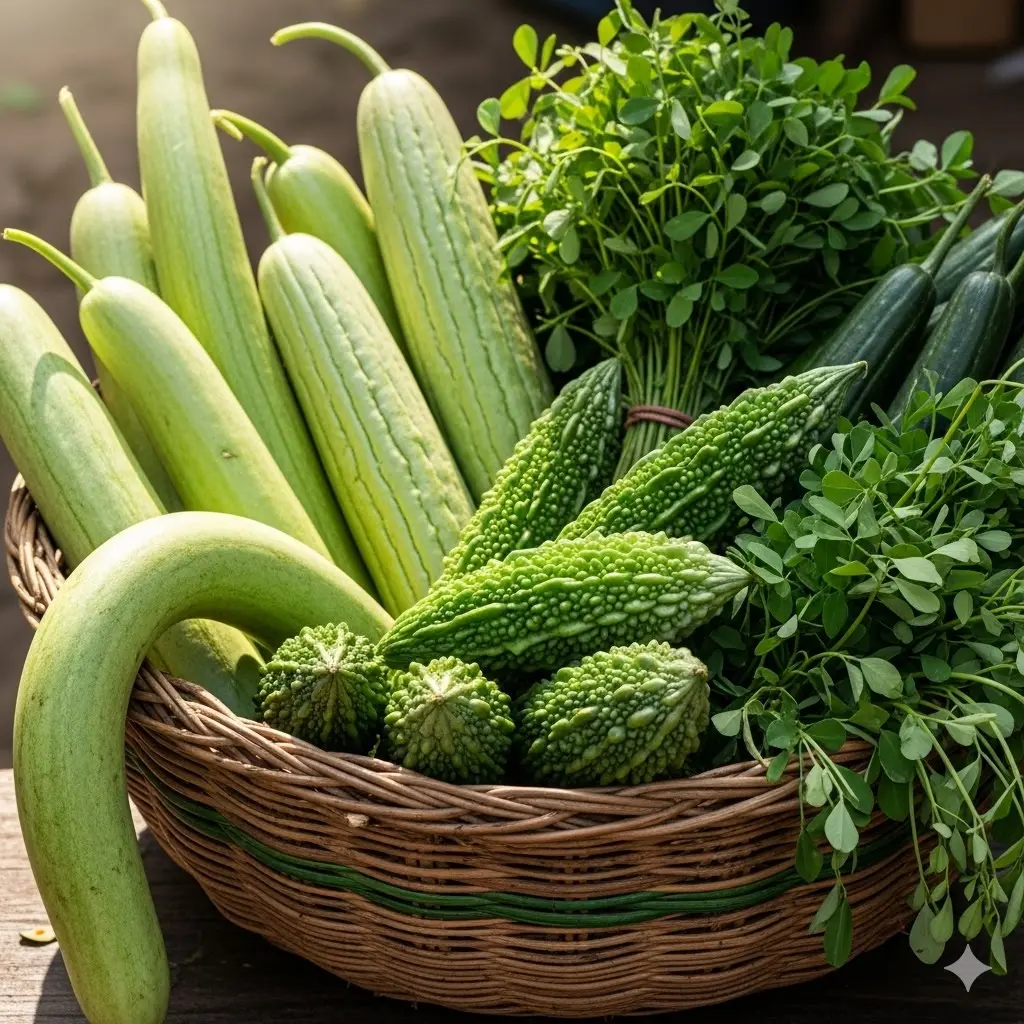
Vegetables: Cucumber (Southekai), Tomato, Onion, Ridge Gourd (Heerekayi), Snake Gourd (Padavalakayi), Bottle Gourd (Sorekayi), Bitter Gourd (Hagalkayi), Ladies Finger (Bendekayi), Brinjal (Badanekayi).
Greens (Soppu): Palak, Methi (Fenugreek leaves), Sabbasige (Dill), Amaranthus (Dantu).
Drinks: Thin Buttermilk (Majjige), Clear Vegetable Soup, Tomato Rasam (without dal/coconut).
These are healthy but have some sugar or starch. Watch your portion size.
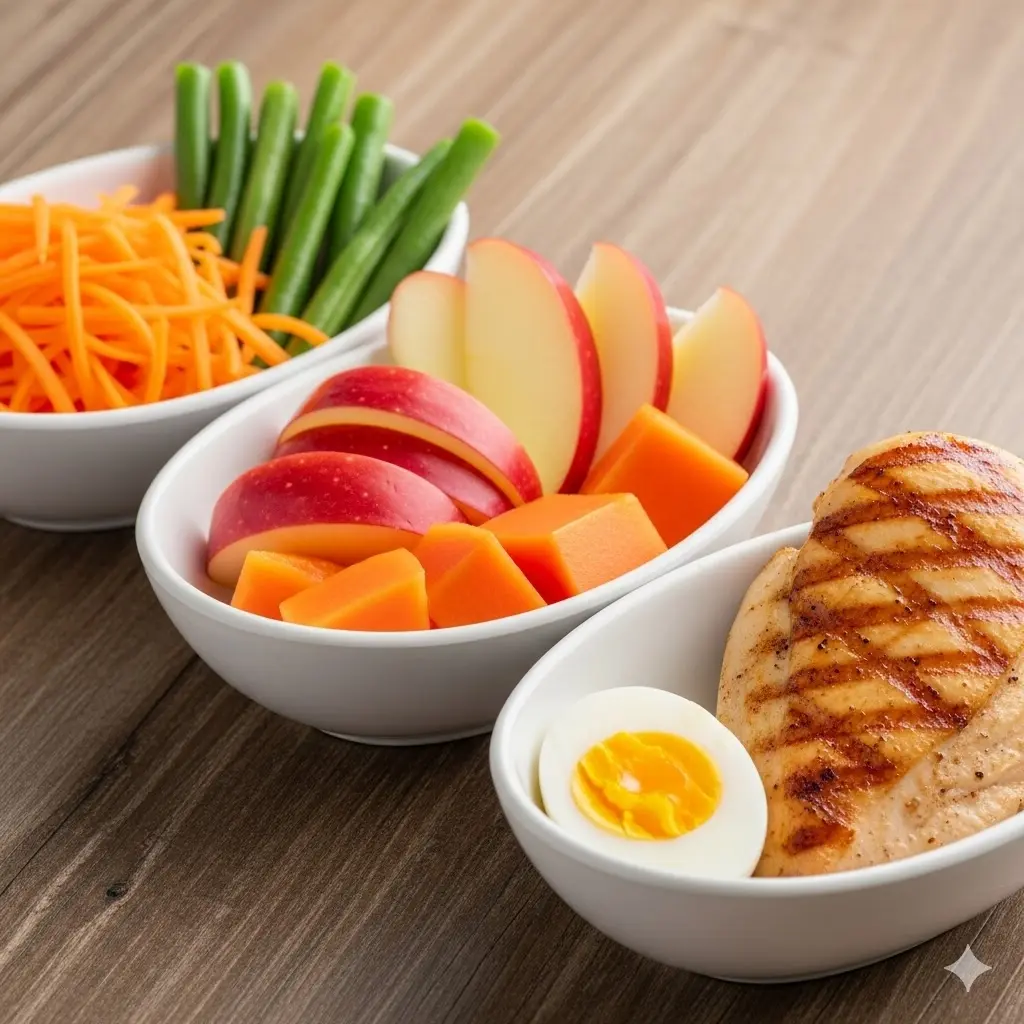
Vegetables: Carrot, Beetroot (Raw is better than cooked), Pumpkin (Kumbalakayi), Green Peas, Beans, Cauliflower, Cabbage.
Fruits: Apple, Papaya, Guava (Seebe), Orange, Mousambi, Pomegranate (Dalimbe), Watermelon (small slice).
Non-Veg: Chicken (without skin), Fish (Curry or Tawa fry), Eggs (White is free, Yolk limit to 3-4/week).
These cause rapid sugar spikes. Keep them for special occasions only.
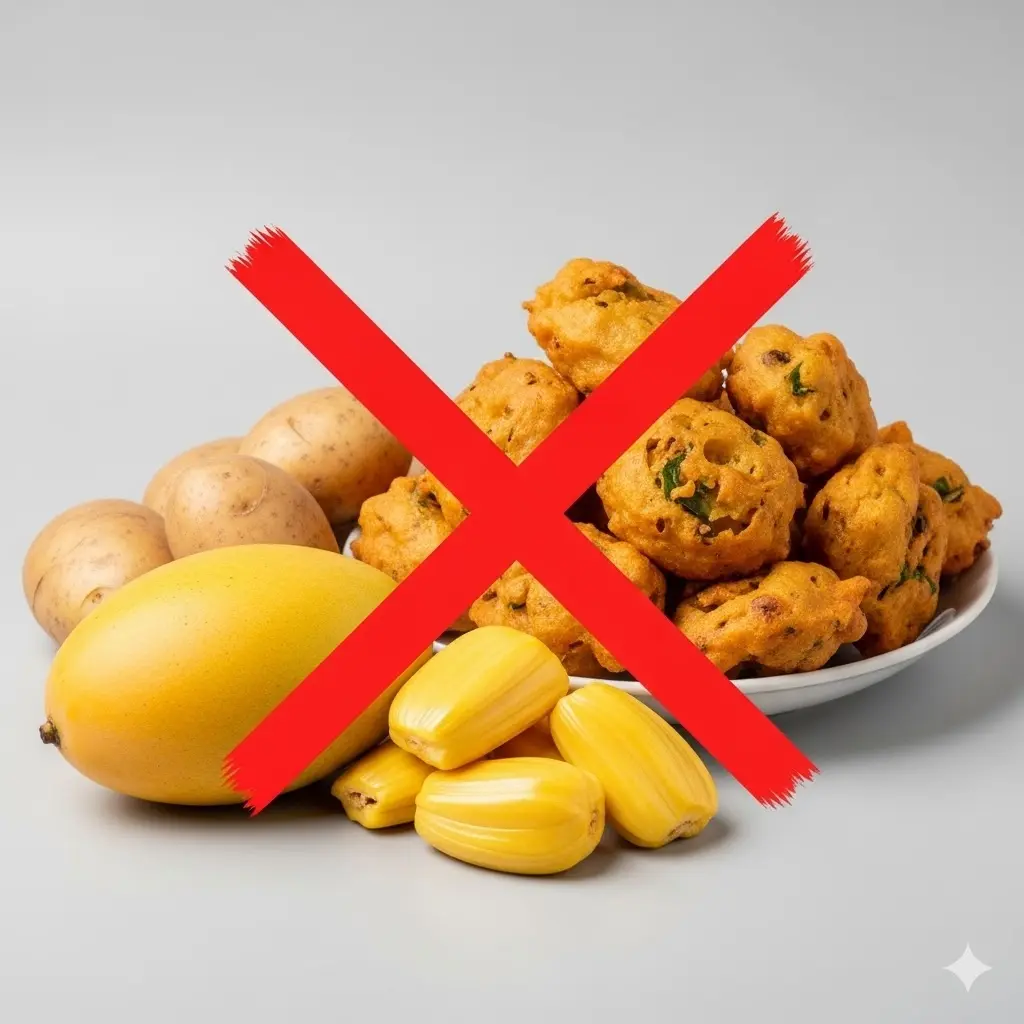
Fruits: Mango (Mavina hannu), Jackfruit (Halasu - very common in our Malnad region, but very high in sugar!), Sapota (Chikku), Custard Apple (Seethaphal), Banana (Yelakki or Pachbale - strictly one small fruit only if sugar is controlled).
Non-Veg: Red Meat (Mutton/Beef), Organ meats (Liver/Kidney), Deep-fried Kababs, Dry fish (high salt).
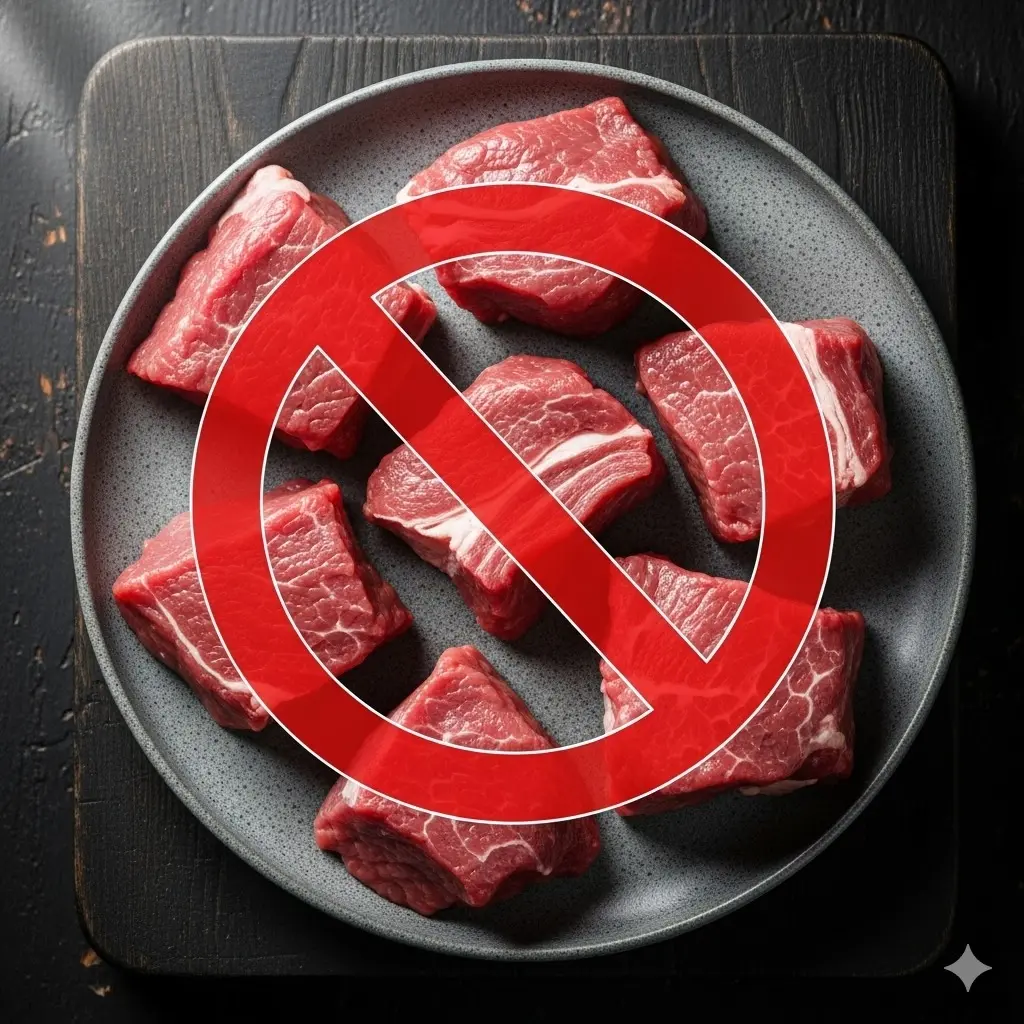
You don’t have to turn vegetarian to control diabetes. In fact, lean meat is great for muscle strength. But the preparation matters.
The Curry Rule: A traditional Koli Saaru (Chicken Curry) or Meen Gassi (Fish Curry) is healthy. Avoid the thick layer of oil floating on top.
No Deep Frying: Instead of Oil Kababs or Rava Fry (which soaks up oil), try Tawa Fry. Marinate the fish/chicken, brush the pan with little oil, and roast it on low flame.
Skin Out: Always remove the skin from chicken before cooking. That is where the bad fat hides.
Mutton Warning: Red meat increases the risk of heart problems, which diabetics are already prone to. Limit mutton to once a month or avoid it.
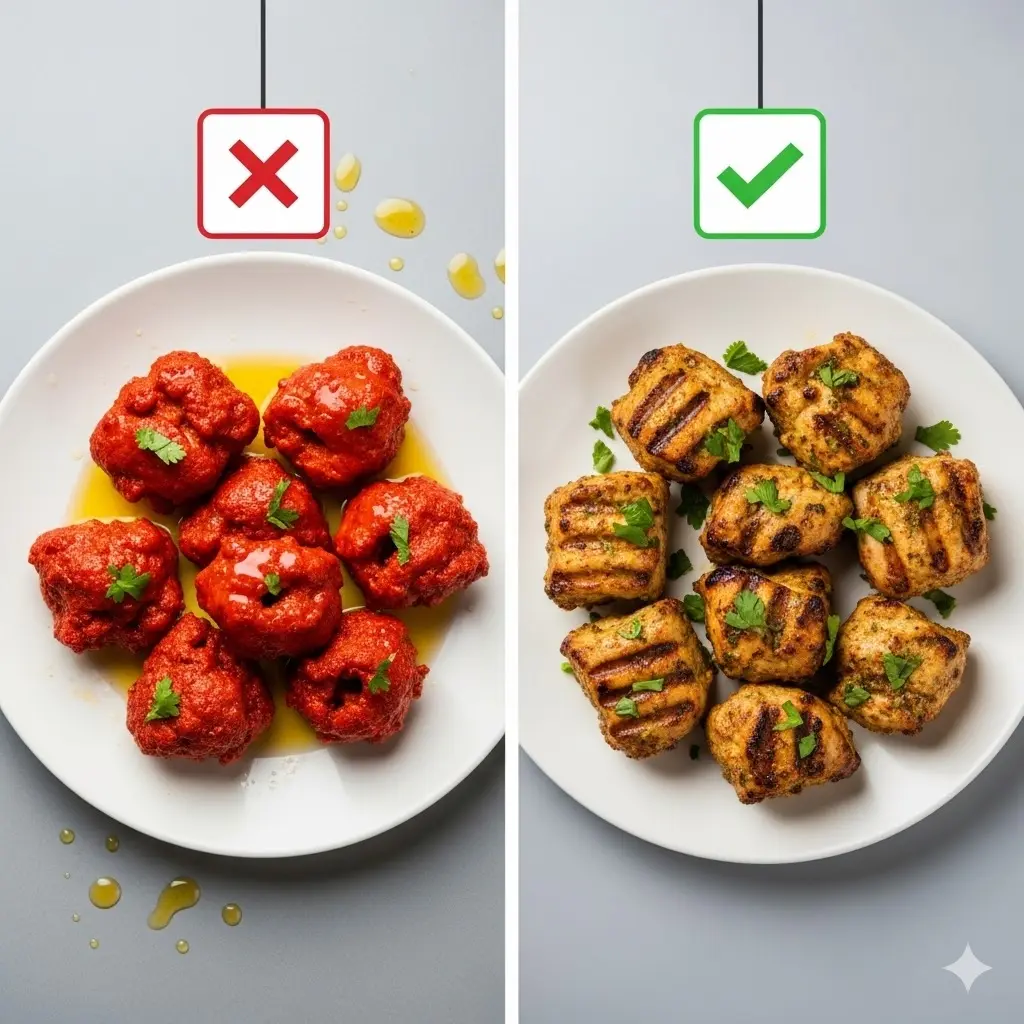
We need some fat for our body, but we usually use too much. A diabetic person should limit oil to 3-4 teaspoons (15-20ml) per day.
Tips for the Kitchen:
Measure, Don't Pour: Never pour oil directly from the packet. Use a teaspoon.
The "Vaggaraane" Trick: You don't need lots of oil for seasoning. Use just 1 tsp for the mustard seeds/curry leaves to splutter, then add water to cook the veggies.
Steaming is Best: Idli, Kadubu, and veggies cooked in steam retain more nutrition than fried items.
Non-Stick / Cast Iron Cookware: Good cookware allows you to cook with very little oil without burning the food.
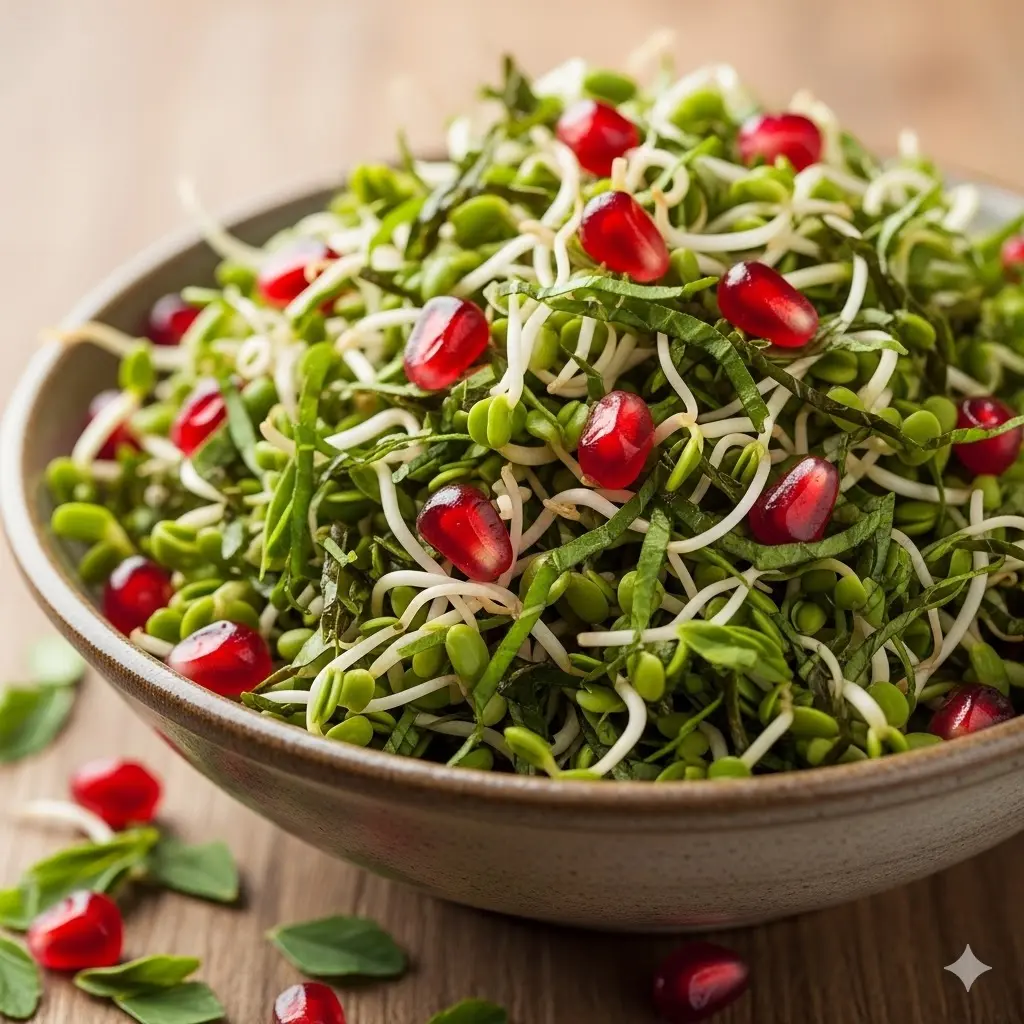
Who said diet food must be boring? Try these this weekend!
A twist on the classic Kosambari with added protein and iron.
Ingredients: 1 cup Sprouted Green Gram (Moong), 1/2 cup fresh Methi leaves (chopped finely), 1/2 cup Pomegranate seeds, Lime juice, Salt, Green chilli.
Method: Mix everything in a bowl. The bitterness of Methi is masked by the sweetness of pomegranate.
Why it's good: Methi helps lower blood sugar naturally.
Forget the deep-fried Bonda. Try this crispy snack.
Ingredients: Grated Carrot, Beans, Cabbage, and cooked Soya Chunks (minced).
Binder: Instead of potato, use 2 spoons of Roasted Oats powder or Besan.
Method: Mix veggies, spices, and oats powder. Shape into flat tikkis. Heat a tawa, brush lightly with oil, and roast both sides until brown.
Why it's good: Oats add fiber, Soya adds protein, and no deep frying!
Perfect for when you have guests.
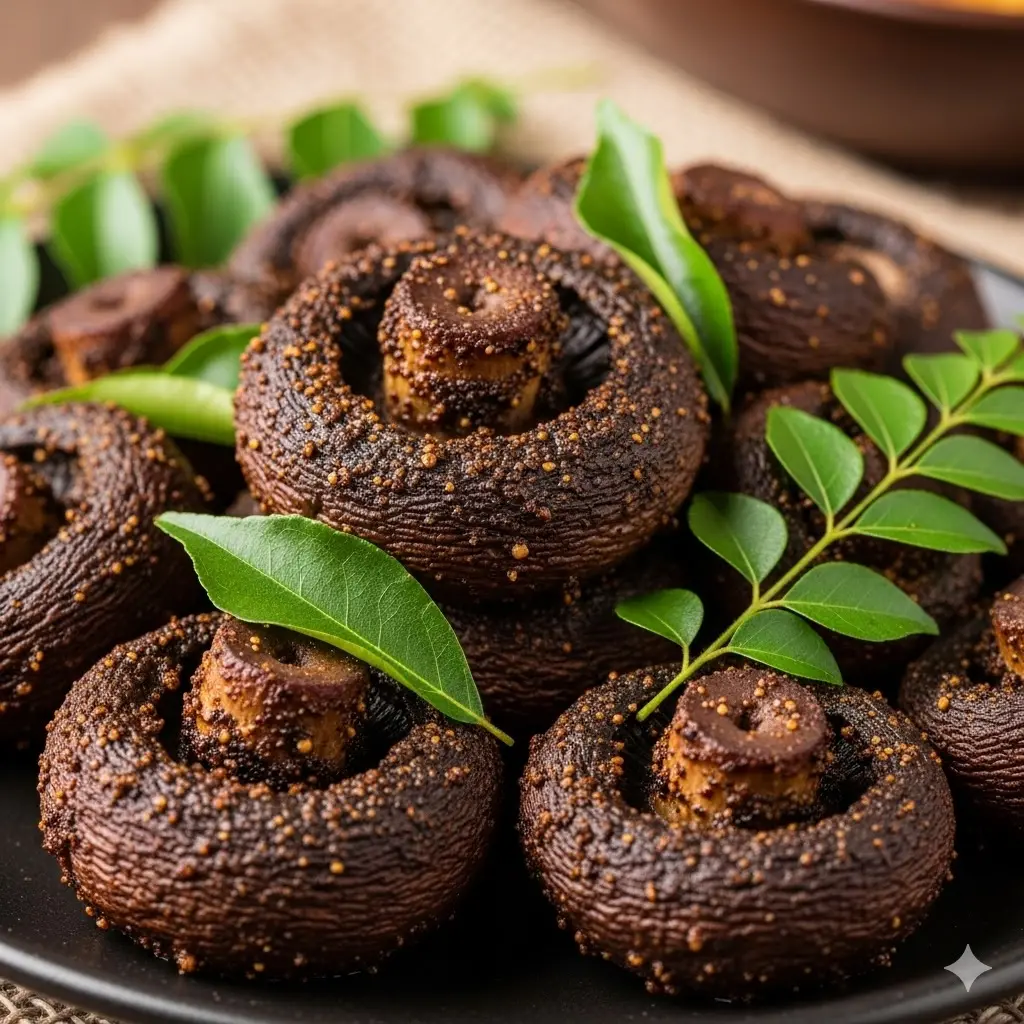
Ingredients: 200g Mushrooms or Boneless Chicken cubes, Crushed Black Pepper, Curry Leaves, Garlic, Capsicum.
Method: Heat 1 tsp oil. Add garlic and curry leaves. Add the mushroom/chicken. Sauté on high flame. The water from the mushroom/chicken will cook it. Once dry, add salt and lots of crushed pepper. Toss with capsicum slices at the end for crunch.
Why it's good: Black pepper boosts metabolism and there is no heavy masala or frying involved.
Fill half your plate with "Green Zone" vegetables.
Eat whole fruits, don't drink them.
Measure your oil.
Small steps in the kitchen lead to big leaps in your health!
Department of Clinical Nutrition & Dietetics Sumukha Speciality Hospital, Sagara Consult us for a personalized diet chart.